Introduction
The gaming world has produced countless memorable experiences across different platforms and generations. Yet few themes have remained as consistently beloved as candy-inspired games. Whether enjoyed on a physical board or a mobile screen, candy-themed games continue capturing the hearts of players worldwide.
Among the most iconic names in this category are Candyland and Candy Crush. From the timeless Candyland board game that families have treasured for over seven decades to the globally addictive Candy Crush Saga, these games represent the best of casual gaming culture. Their colorful visuals, satisfying mechanics, and simple yet engaging gameplay loops make them perfect for players of all ages.
At Riftwood Studio, we study what makes casual and puzzle games successful in today's competitive gaming landscape. Candy-themed games offer fascinating lessons in player engagement, visual design, and accessible mechanics.

What Is Candyland?
Candyland is one of the most recognized and beloved children's board games ever created. Originally released in 1949, the game transported players into a fantasy world overflowing with sweets, sugar-themed landscapes, and charming characters unlike anything seen in traditional board games before.
The game was designed with simplicity in mind. Rather than relying on strategy or complex rules, Candyland used a straightforward card-drawing mechanic to move players along the board. This approach made the game perfectly accessible for young children who had not yet developed reading or counting skills.
Why the Candyland Board Game Became a Classic
The enduring popularity of the Candyland board game comes from several key strengths:
- Extremely simple and easy-to-learn gameplay
- Vibrant and imaginative candy-themed environments
- Lovable and memorable fantasy characters
- Perfect for family bonding and group entertainment
- No complex strategy or prior gaming knowledge required
Generations of families have passed this game down as a childhood staple, cementing its place as a permanent classic in board gaming history.
Famous Candyland Locations
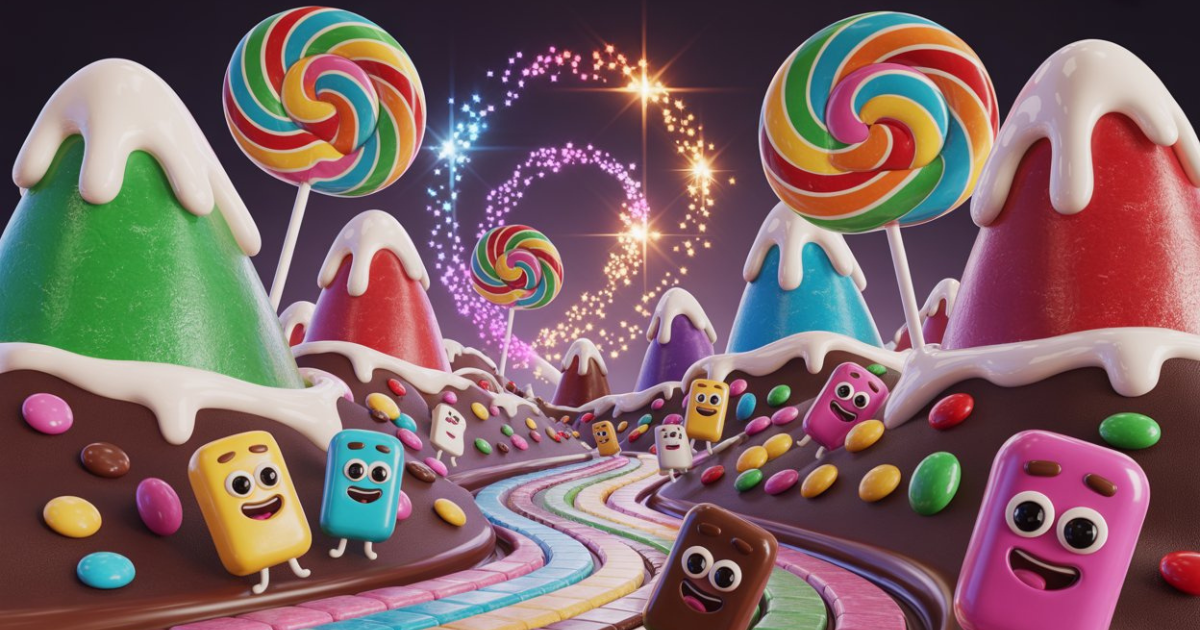
Part of what made Candyland so magical was its richly imagined world filled with unforgettable candy-themed locations. Each stop on the board told its own sweet story.
Peppermint Forest
A whimsical forest filled with towering peppermint candy trees and winding sugar-dusted pathways.
Gumdrop Mountains
A majestic mountain range constructed entirely from colorful gumdrops rising against a sugary sky.
Lollipop Woods
One of the most iconic Candyland locations, filled with oversized lollipops standing like trees in every direction.
Chocolate Swamp
A sticky and humorous region packed with chocolate-themed obstacles that slow down adventurous players.
Ice Cream Sea
A frozen fantasy landscape inspired by cold desserts that brought an icy charm to the Candyland universe.
These imaginative locations helped inspire generations of future puzzle and adventure game designers to build colorful fantasy worlds of their own.
Famous Candyland Characters
Beyond its locations, Candyland became legendary because of its cast of memorable Candyland characters. Each character added personality and storytelling depth to the sweet kingdom.
King Kandy
King Kandy is the cheerful and beloved ruler of Candyland. He symbolizes kindness, joy, and the playful spirit at the heart of the game. Reaching King Kandy's castle means winning the game.
Queen Frostine
Queen Frostine rules over a frozen candy kingdom and is known for her elegant icy appearance. She became one of the most recognizable Candyland characters across all editions of the game. Drawing her card sends players far ahead on the board — a lucky moment for any player.
Lord Licorice
Lord Licorice is the mischievous villain of the Candyland universe. Dark, dramatic, and full of personality, he represents the game's most dreaded setback and adds exciting tension to an otherwise relaxing experience.
Princess Lolly
Princess Lolly is a cheerful and colorful character closely associated with lollipop-themed regions of the Candyland world. She brings warmth and sweetness to the overall character roster.
Mr. Mint
Mr. Mint is a friendly and beloved character tied to the peppermint regions of Candyland. Though drawing his card early in the game means moving backward, his cheerful design keeps spirits high.
Gramma Nutt
Gramma Nutt is a warm and grandmotherly character associated with peanut brittle territories. She adds a cozy and wholesome dimension to the Candyland character lineup.
These iconic Candyland characters elevated the game beyond a simple board game into a fully imagined fantasy world that children could remember and connect with for years.
The Rise of Candy Crush
While Candyland dominated family gaming for decades, the mobile gaming revolution introduced a brand new candy-themed phenomenon — Candy Crush Saga.
Released in 2012 by King, Candy Crush rapidly became one of the most downloaded mobile games in history. It popularized the match-3 puzzle genre and set the standard for casual mobile game design that developers still follow today.
What Makes Candy Crush So Addictive?
Candy Crush built its massive success on a foundation of smart game design principles that keep players engaged for years.
Simple Gameplay Mechanics
Players swap adjacent candies on a grid to create matching groups of three or more. The core mechanic is instantly understandable for players of any age or experience level.
Reward-Based Design
Colorful explosions, satisfying combo effects, and generous reward animations create constant positive feedback that keeps players motivated and engaged.
Progressive Difficulty
Early levels introduce mechanics gently, while later levels challenge even experienced players with complex layouts and limited moves.
Regular Content Updates
New levels, seasonal events, and themed content updates ensure players always have fresh challenges waiting for them.
Mobile-First Accessibility
Short level designs allow players to enjoy quick gaming sessions during commutes, breaks, or any available free moment throughout the day.
These carefully crafted design decisions helped Candy Crush maintain dominance in the mobile gaming market for well over a decade.
Candyland Board Game vs Candy Crush
Despite sharing candy-inspired themes and colorful visual styles, these two iconic games offer completely different experiences to their players.
| Feature | Candyland Board Game | Candy Crush |
|---|---|---|
| Platform | Physical Board Game | Mobile Devices |
| Gameplay | Card-Based Movement | Match-3 Puzzle |
| Audience | Young Children and Families | All Age Groups |
| Multiplayer | Family Play Around a Table | Online Social Features |
| Difficulty | Simple and Luck-Based | Progressively Challenging |
| Release Year | 1949 | 2012 |
Both games achieved massive success by prioritizing accessibility, vibrant visual design, and rewarding gameplay loops that feel satisfying from the very first session.
How Candy-Themed Games Changed the Gaming Industry
The influence of candy-inspired games stretches far beyond their own success. They fundamentally shaped how casual games are designed and marketed across the entire industry.
Color Psychology in Game Design
Bright, saturated candy colors create immediate positive emotional responses. Casual games adopted this principle widely because cheerful visuals reduce player stress and increase session length.
Reward Systems and Player Retention
Candy games pioneered the use of satisfying sound effects, visual explosions, and progression rewards to maintain player engagement over long periods of time.
Short Session Design
Bite-sized levels designed for quick play sessions made candy games perfect for mobile audiences and set a template followed by nearly every successful casual game since.
Universal Accessibility
Minimal control requirements allowed candy-themed games to attract audiences far beyond traditional gamers, including elderly players, young children, and first-time mobile users.
At Riftwood Studio Game Development Services, we study and apply these proven mechanics when designing engaging gaming experiences for modern players across all platforms.
Why Puzzle Games Remain Popular
Puzzle games continue dominating app stores and family game nights because they appeal to the broadest possible audience without demanding significant time or skill investment.
Key Reasons for Their Lasting Popularity
- Easy to learn and immediately enjoyable
- Relaxing and low-stress gameplay experience
- Suitable for all ages and family groups
- Perfect for short gaming sessions anywhere
- Highly replayable with fresh challenges every time
- Deeply satisfying progression and reward systems
These qualities ensure puzzle games remain timeless regardless of what new gaming trends emerge around them.
Example of Match-3 Puzzle Logic
Modern candy-themed puzzle games rely on match-detection systems at their core. Here is a simple example of how match-3 logic works in a game built with Unity and C#.
if (candyA.color == candyB.color && candyB.color == candyC.color)
{
    ScoreManager.AddPoints(3);
    Destroy(candyA);
    Destroy(candyB);
    Destroy(candyC);
    SpawnNewCandies();
}
This fundamental logic drives the satisfying cascade effects that make games like Candy Crush so rewarding to play. At Riftwood Studio, we implement and expand on systems like these when developing puzzle and casual game experiences for our clients.
Conclusion
From a hand-drawn board game created in 1949 to a billion-download mobile franchise, Candyland and Candy Crush represent the very best of candy-themed gaming. The beloved Candyland board game gave families a magical shared experience built on imagination and colorful fantasy. The iconic Candyland characters like King Kandy, Queen Frostine, and Lord Licorice created a rich universe children have loved for generations.
Candy Crush then took those same principles of bright color, simple mechanics, and satisfying rewards into the digital age — reaching billions of players across the globe.
Together, these games prove that when great design meets the universal appeal of sweetness and color, the result is entertainment that stands the test of time.
Explore more gaming insights and development resources:
- 🎮 Riftwood Studio — Game Development Services
- 📝 Read More on Our Blog
- 🛠️ Discover OmnifyTools